ARCHIVE NO. 001 — BREEDS
Breeds
kept in the order they were filed
Almost no breed's shape is an accident — the ears, the legs, the coat, even the temperament, are usually just an old job that never got un-trained.
A dog doesn't care what you have, only that you came home.
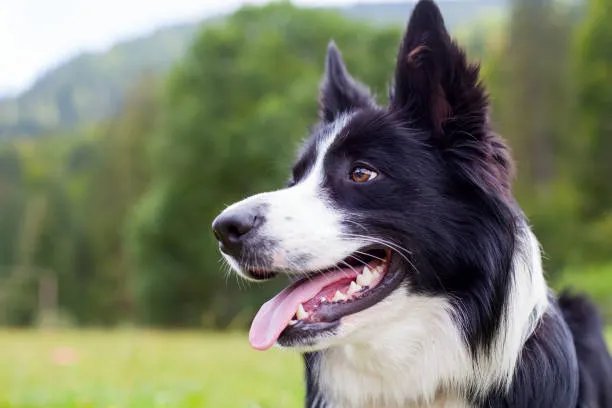
Border Collie
origin: border of Scotland and England
temperament: alert, obedient, needs a job to do
Bred since the 19th century to herd sheep. It doesn't chase the flock — it circles it and steers it with a fixed stare, a technique shepherds call "the eye." Without enough work or exercise, it gets bored quickly, and it shows.

Pembroke Welsh Corgi
origin: Wales, United Kingdom
temperament: active, stubborn, very sociable
Short legs, long body, big upright ears. Also a herding breed, specialized in cattle: being so low to the ground, it would nip at a cow's heels and duck out before the kick landed. It was Queen Elizabeth II's favorite breed for more than seventy years.

Shiba Inu
origin: Japan, mountainous regions
temperament: independent, clean, somewhat cat-like
One of Japan's oldest breeds, once used to hunt in rough terrain. It grooms itself often, cat-style, and tends to show little interest in pleasing its owner just for the sake of it. There's a term, "shiba scream," for the sharp yelp it can let out when something upsets it.

Xoloitzcuintle
origin: Mexico, pre-Columbian
temperament: loyal, calm, a good watchdog
Its name comes from Nahuatl, combining the god Xólotl with "itzcuintli," dog. It exists in hairless and short-haired varieties. Mesoamerican peoples saw it as a guide on the journey to the underworld, and today it's one of Mexico's canine symbols.

Spanish Greyhound
origin: Iberian Peninsula
temperament: calm at home, fast when running
Streamlined body, sharply tucked waist, long legs. Despite its speed — it can hit 60 km/h within a few seconds — it spends most of the day asleep. Often described as a "couch athlete."

Basset Hound
origin: France
temperament: calm, stubborn, very nose-driven
Its name comes from "bas," French for low. The short legs and long body aren't a flaw but a design choice: they keep the nose closer to the ground for tracking scents. Its sense of smell is surpassed only by that of the bloodhound.
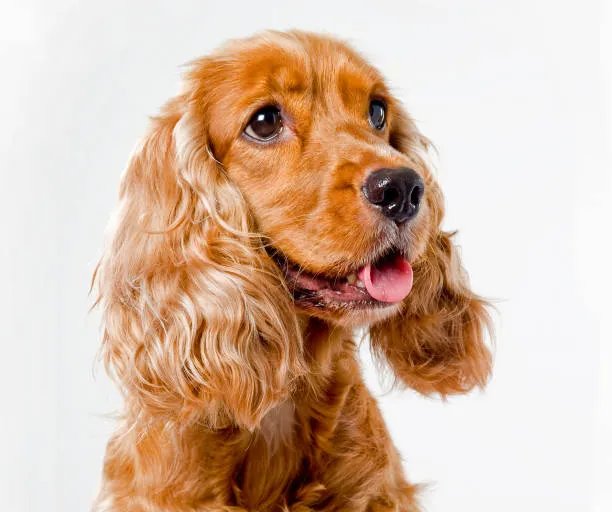
Cocker Spaniel
origin: England
temperament: affectionate, eager to please, sensitive
The name comes from woodcock, the bird it was originally bred to flush out and retrieve. Its long, feathered ears aren't just decorative — they help funnel scent up toward the nose while the dog has its head down in brush.

Alaskan Malamute
origin: Arctic Alaska
temperament: strong-willed, social, high endurance
Bred by the Mahlemut people to haul heavy freight over long distances, not to race — it trades speed for raw pulling power. It runs hot even in freezing weather and sheds an entire undercoat twice a year, an event owners call "blowing coat."

Chihuahua
origin: Mexico
temperament: bold, alert, fiercely loyal to one person
Named after the Mexican state, and believed to descend from the Techichi, a companion dog kept by pre-Columbian civilizations. It's the smallest recognized breed by weight, but rarely acts like it — it will challenge dogs many times its size without hesitation.

Belgian Malinois
origin: Malines, Belgium
temperament: driven, intelligent, high energy
Often mistaken for a German Shepherd, but lighter and faster. Its combination of trainability and drive has made it the preferred breed for police and military work worldwide, taking over many roles once filled by shepherds.
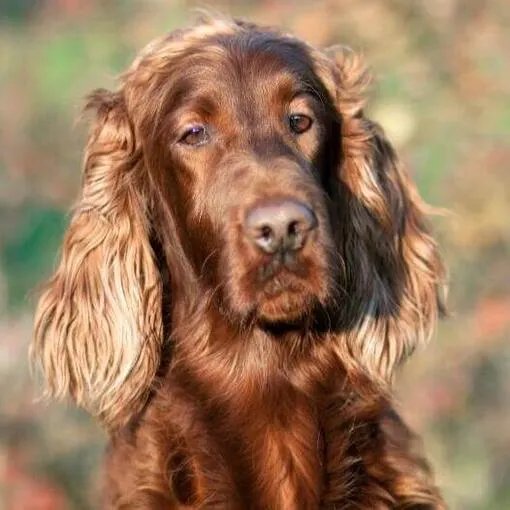
Irish Setter
origin: Ireland
temperament: outgoing, energetic, affectionate
Bred to locate game birds and then freeze in place — "setting" — to mark their position for the hunter. The deep mahogany coat was selectively bred in over generations partly so hunters could spot the dog easily against green fields.

Dachshund
origin: Germany
temperament: bold, curious, stubborn
The name translates to "badger dog." The long body and short, powerful legs were built specifically to enter badger burrows and fight there if needed — a job that demanded courage far out of proportion to its size.

Standard Poodle
origin: Germany, developed further in France
temperament: highly intelligent, active, proud
Originally a water retriever — the name likely comes from the German "pudeln," to splash. The elaborate show clip isn't vanity: it kept joints and organs warm in cold water while leaving the legs free to swim.
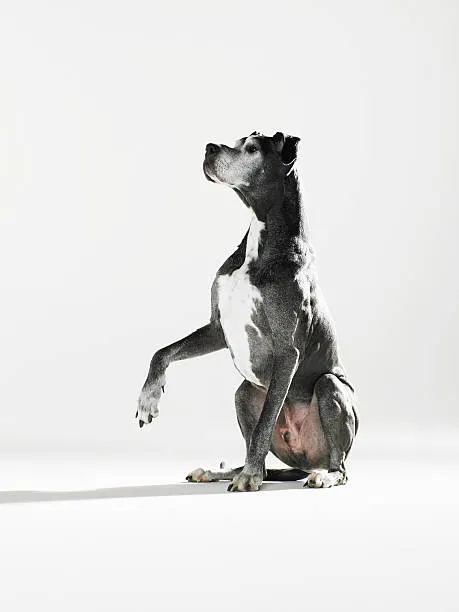
Great Dane
origin: Germany
temperament: gentle, patient, surprisingly calm
Despite the name, it has no real connection to Denmark — the breed was developed in Germany to hunt wild boar. Often called the "gentle giant," its size masks a temperament that's usually closer to a lap dog than a guard dog.

Akita Inu
origin: Japan, Akita prefecture
temperament: dignified, loyal, reserved with strangers
Once reserved for Japanese nobility, with strict rules about how it could be handled and cared for. The story of Hachikō, an Akita who kept returning to a train station to wait for his deceased owner for nearly a decade, made the breed a national symbol of loyalty.

Saint Bernard
origin: Swiss Alps
temperament: gentle, patient, protective
Bred by monks at the Great St Bernard Hospice to find travelers lost in alpine snowstorms. A dog named Barry is credited with saving over 40 people in the early 1800s, and is still commemorated with a monument in Paris.

Weimaraner
origin: Weimar, Germany
temperament: energetic, affectionate, attention-seeking
Nicknamed the "grey ghost" for its pale silver coat and quiet, gliding movement in the field. Originally bred for big-game hunting, it was later scaled down to hunt birds once large game grew scarce in Europe.

Beagle
origin: England
temperament: friendly, curious, food-motivated
Bred to hunt in packs by scent alone, following a trail with a baying howl distinct enough that hunters could track the pack without seeing it. Its nose has roughly 220 million scent receptors, among the most sensitive of any hound.

Dalmatian
origin: Dalmatia region, Croatia
temperament: energetic, alert, high stamina
Puppies are born completely white — the spots appear over the first few weeks. Historically bred to run alongside carriages for miles, clearing the road and guarding the horses, which is where its association with firehouses comes from.

Newfoundland
origin: Newfoundland, Canada
temperament: sweet-natured, calm, protective
Built for cold-water rescue work, with a water-resistant double coat and webbed feet. Unlike most dogs, it swims with a breaststroke rather than the usual paddle, which makes it strong enough to tow a person, or a small boat, to shore.

Rottweiler
origin: Rottweil, Germany
temperament: confident, calm, protective
Descended from Roman cattle-driving dogs, later used by butchers in Rottweil to pull carts and guard the day's earnings tied around their necks. That job is where the breed's reputation for steady nerve and quiet confidence originally comes from.

Australian Shepherd
origin: western United States, despite the name
temperament: sharp, energetic, highly trainable
Not actually Australian — it was developed by ranchers in the American West, likely from herding dogs that arrived with Basque shepherds by way of Australia, which is where the name stuck. Still bred today mainly to work livestock, and still happiest with a job.